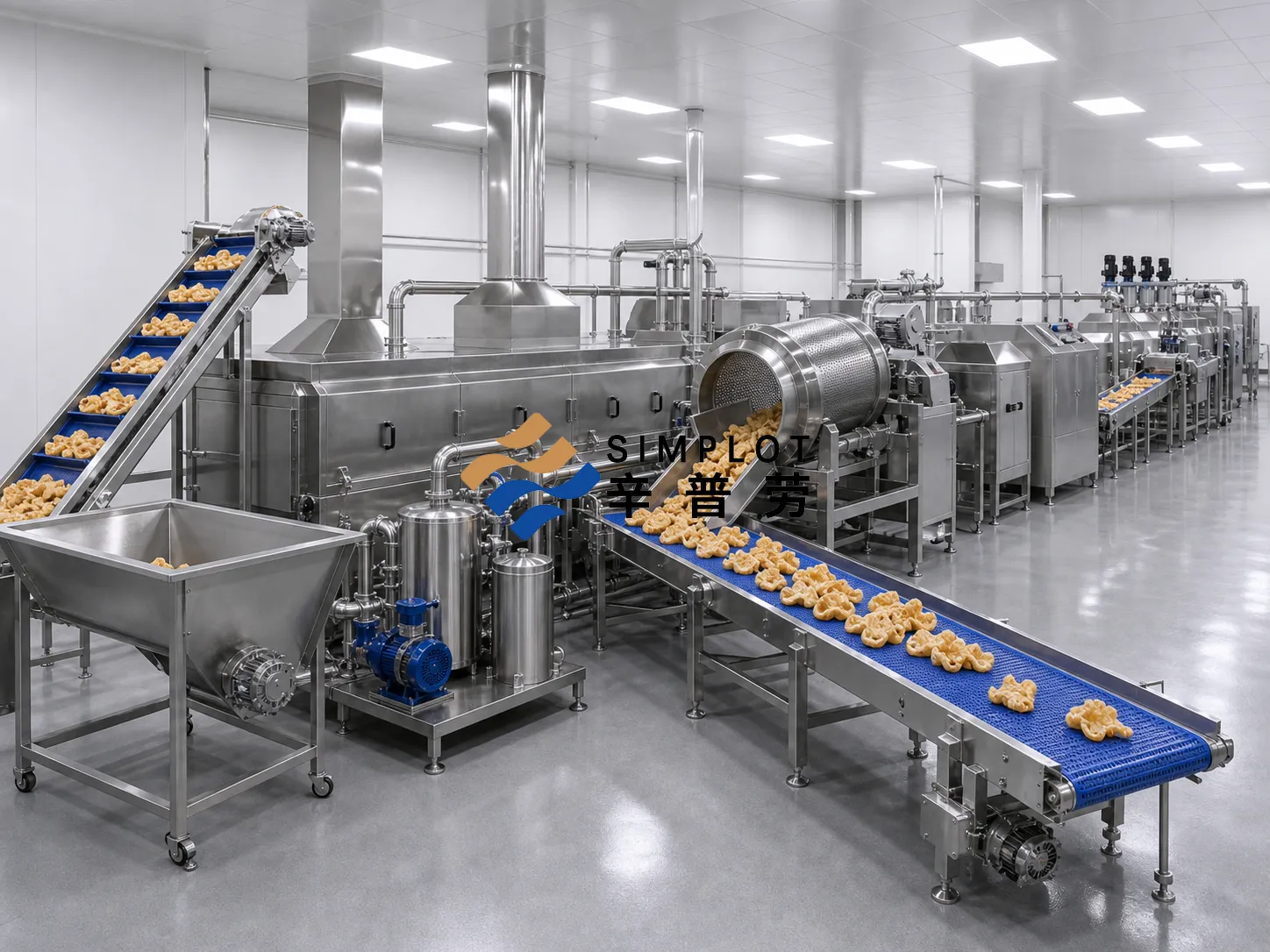
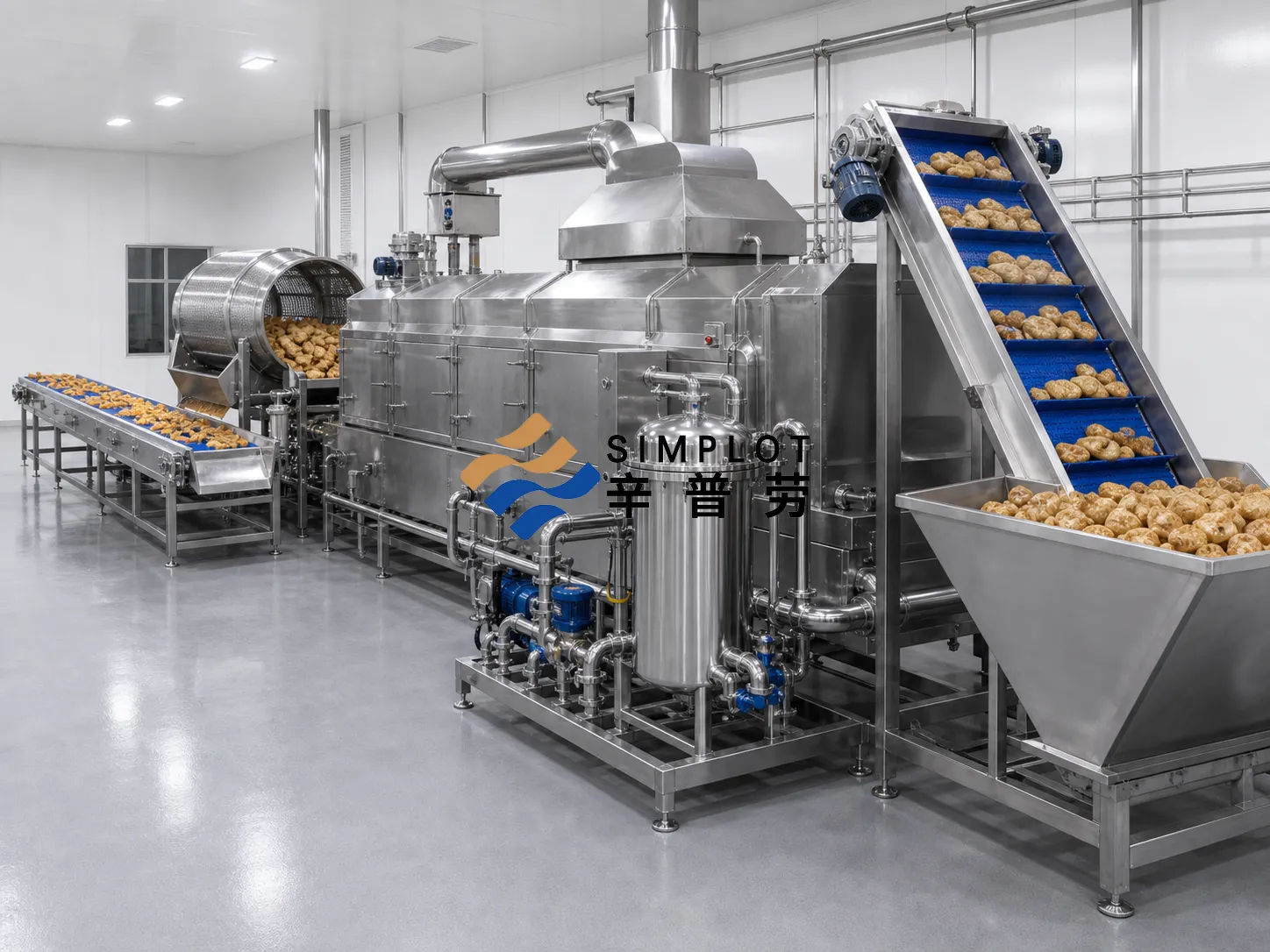
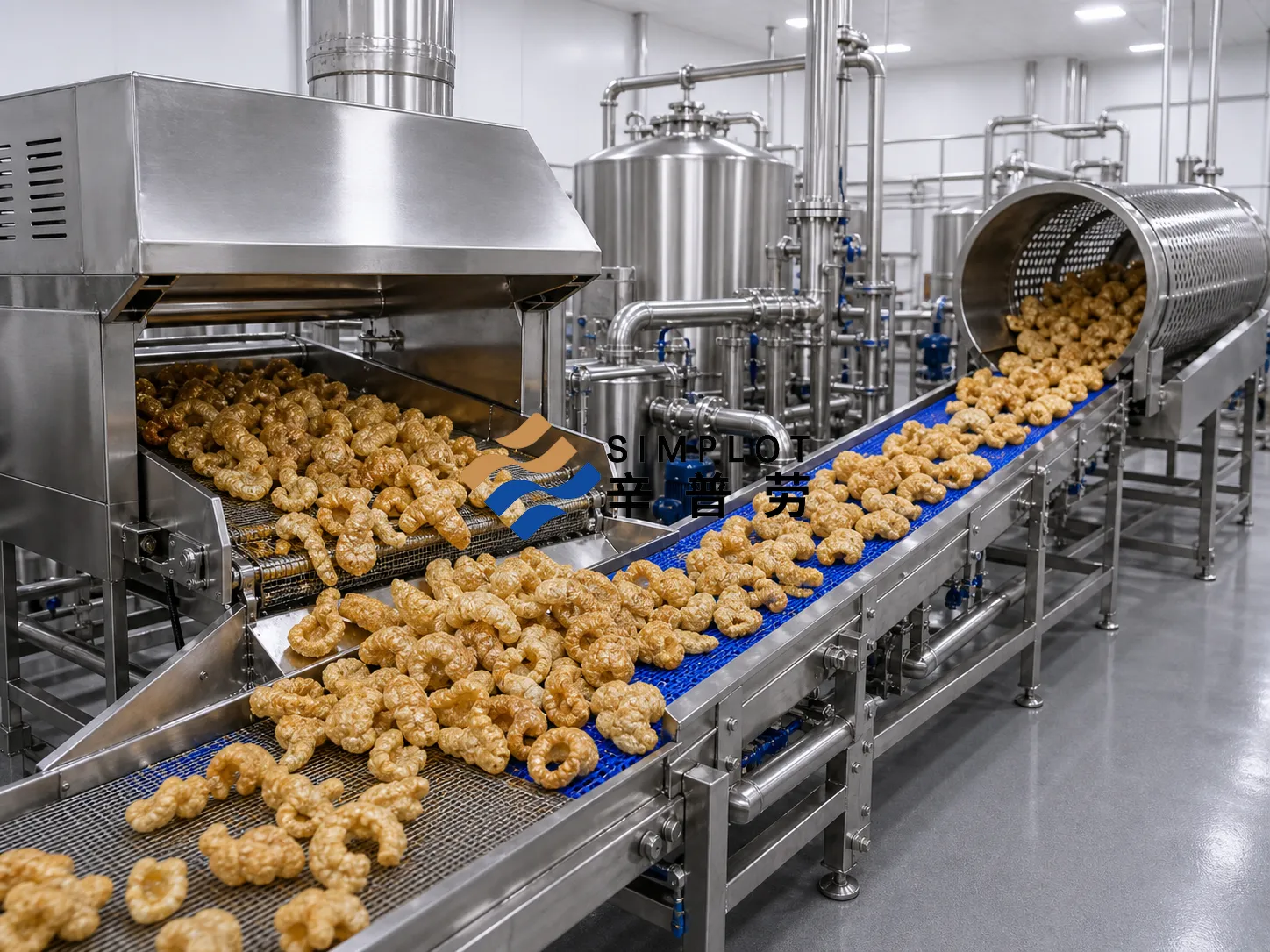
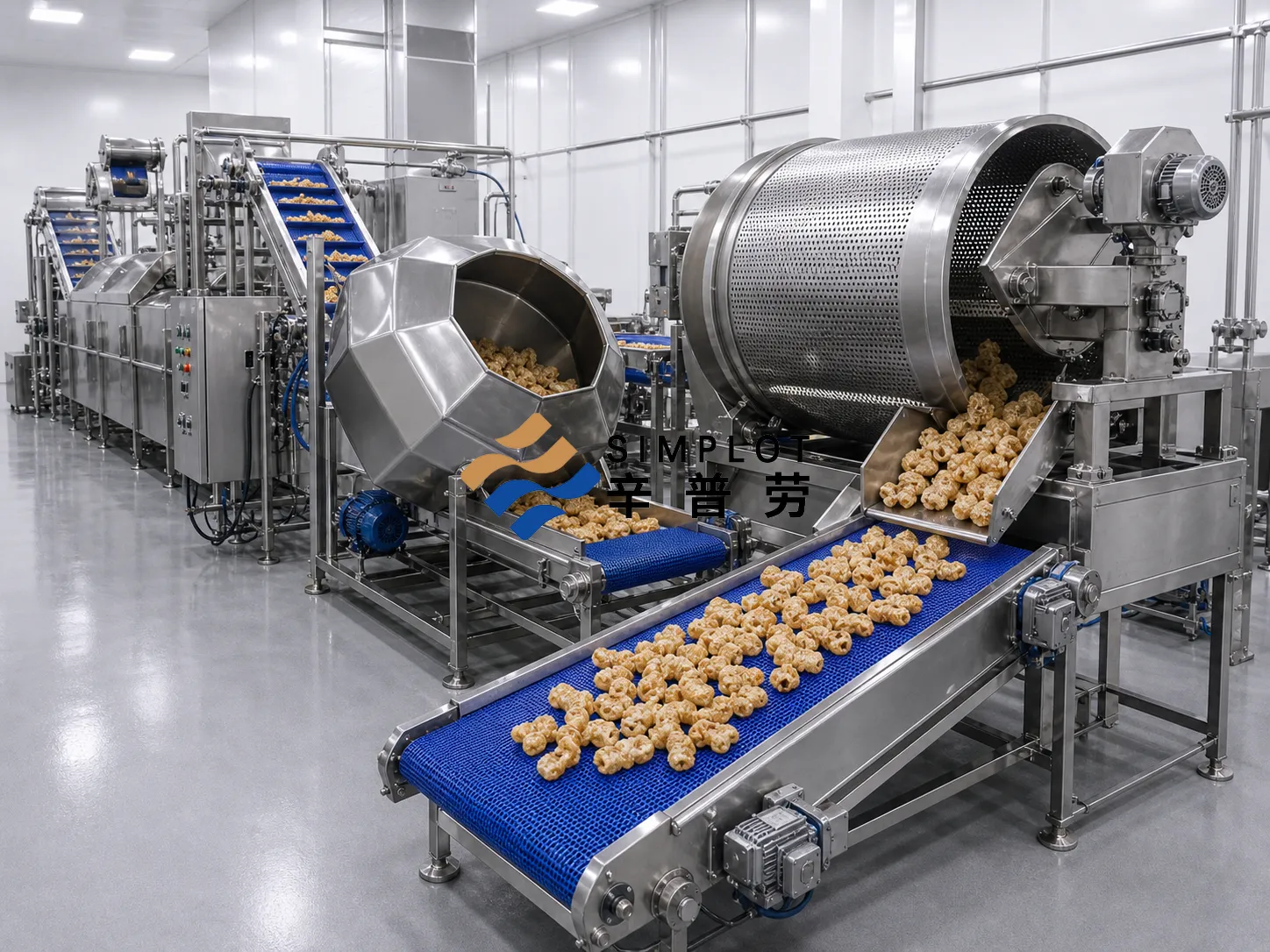
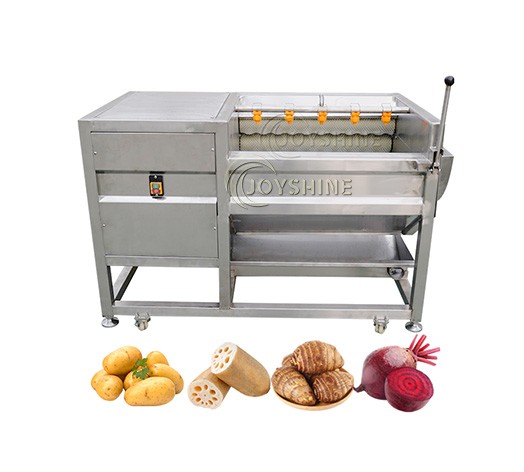
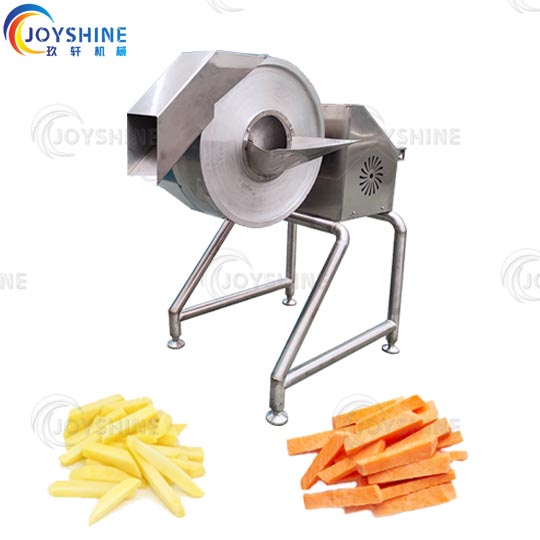
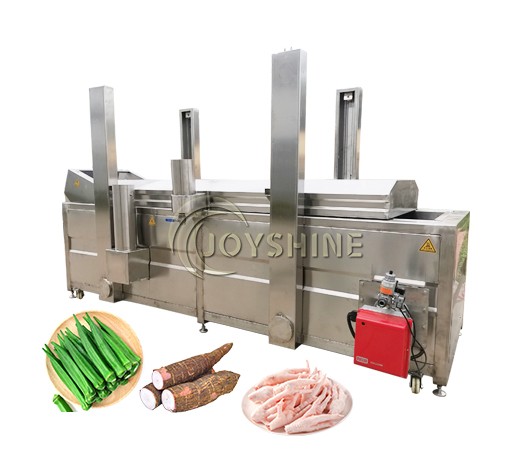
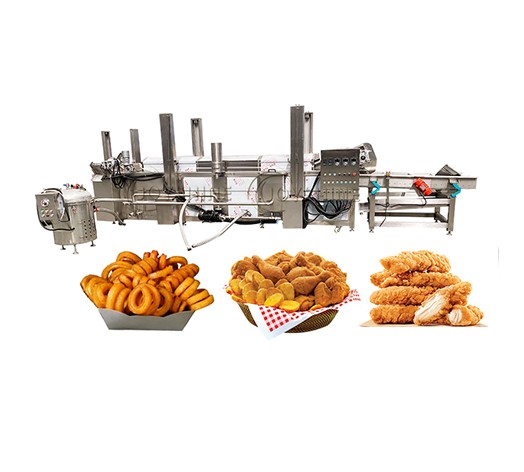
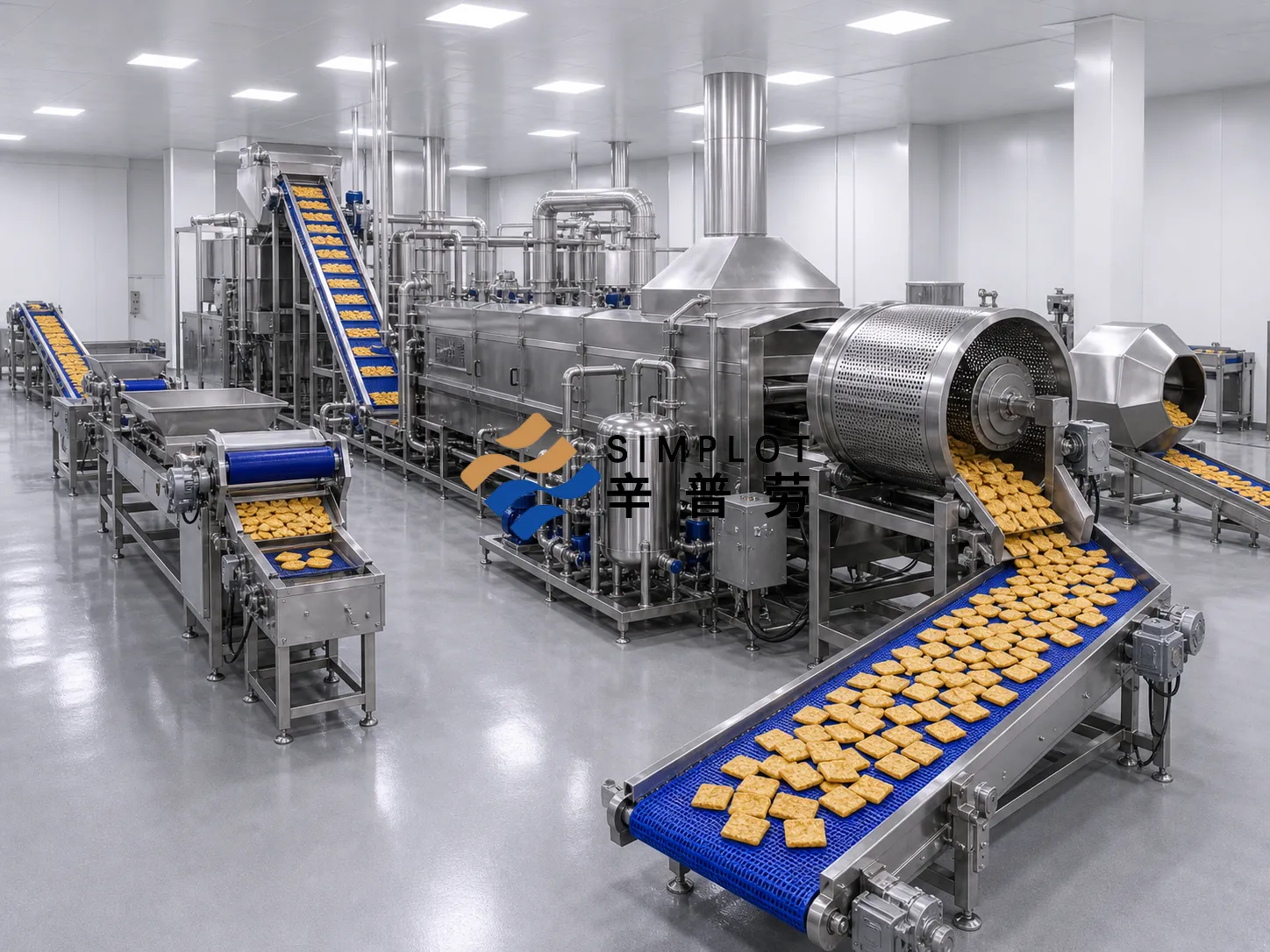
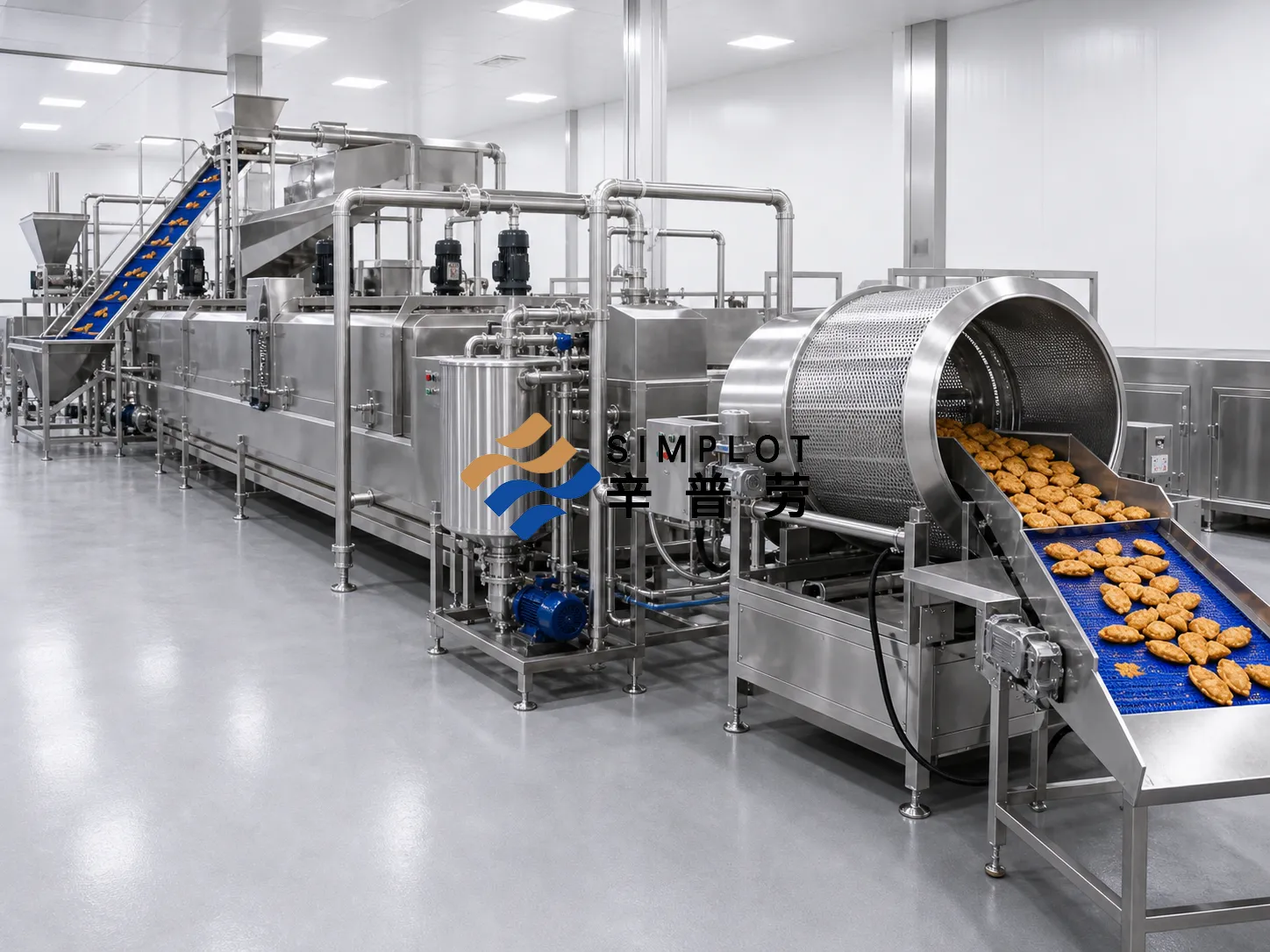
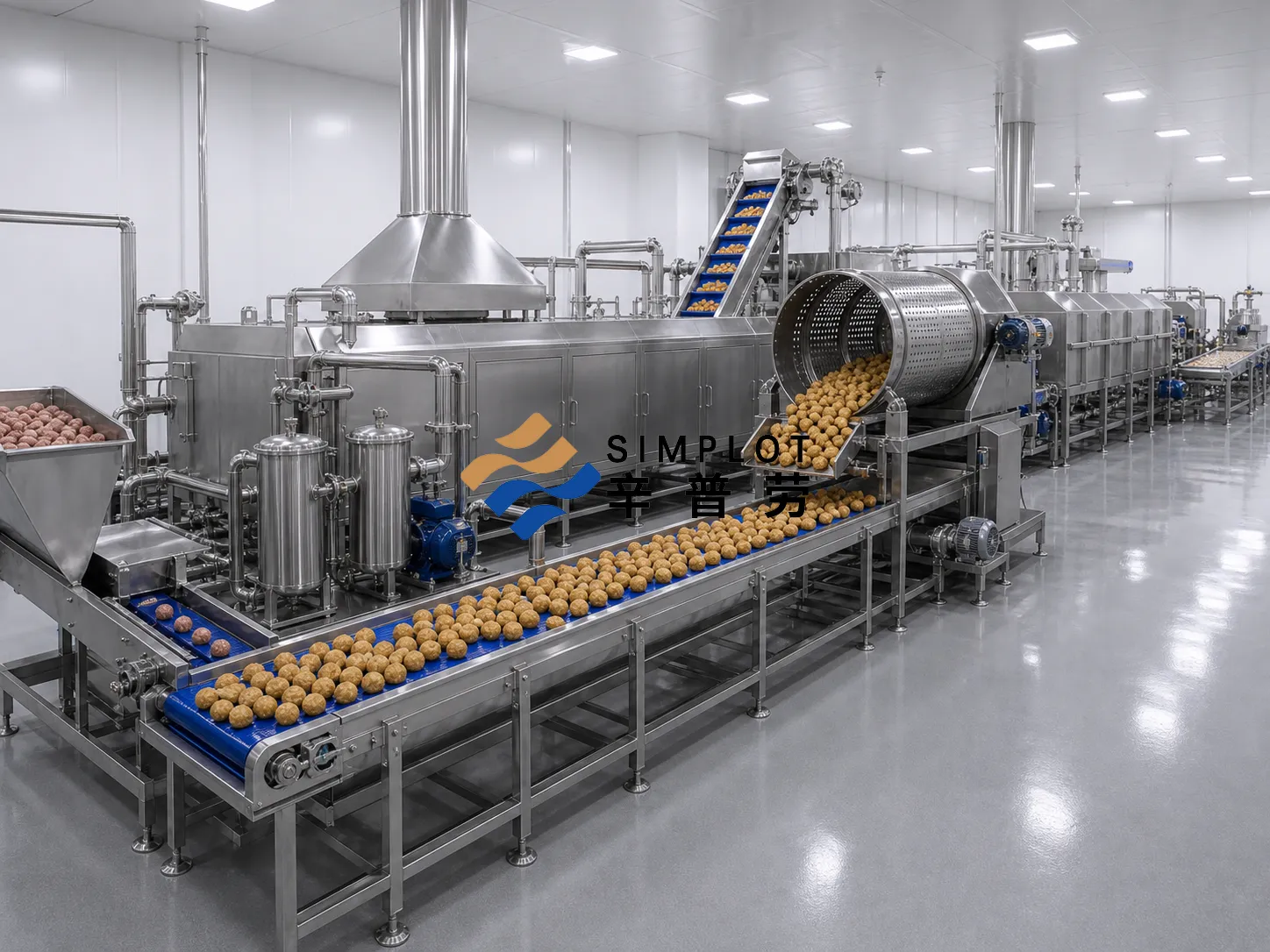
Fried pork rinds, a popular gourmet snack around the world, are known for their crispy texture and rich flavor. In order to meet the demand for efficient production, we have launched an advanced fried pork rind production line, aiming to provide a one-stop solution for food production enterprises. From cleaning, cutting, stripping and frying pork skin to final packaging, it is ensured that each piece of pork skin can be fried evenly to achieve the ideal crispy effect. This production line not only greatly improves production efficiency, but also ensures consistent product quality, making your pork skin snacks more delicious.
Semi-automatic production line: 20-100kg/h
Fully automatic production line: 100-500kg/h
Option one:
Raw material processing: Use dried pig skin, wash it thoroughly, and fry it directly in oil at 180 degrees for 5-6 minutes.
Efficiency and environmental protection: The output to raw material ratio is 3:1. This solution not only does not consume extra oil, but also produces grease, making efficient use of resources.
Option II:
Complete processing process: including scraping, cutting, washing, drying, frying, de-oiling, seasoning, and packaging. The processing temperature is controlled at 220 degrees, the processing time of each batch is about 30-40 seconds, and the output ratio is 1:1.
Versatility: Adaptable to different market needs and can be customized according to customers' specific requirements, such as flavors and packaging.
Fried pork skin processing flow
Most customers tend to purchase semi-finished products, that is, pre-treated dried pork rinds, which are directly fried, simplifying the traditional processing process.
Detailed processing flow:
Frying: Put the cleaned pork skin into 190-degree oil and fry it for about 30 seconds to quickly obtain a crispy exterior and tender inside.
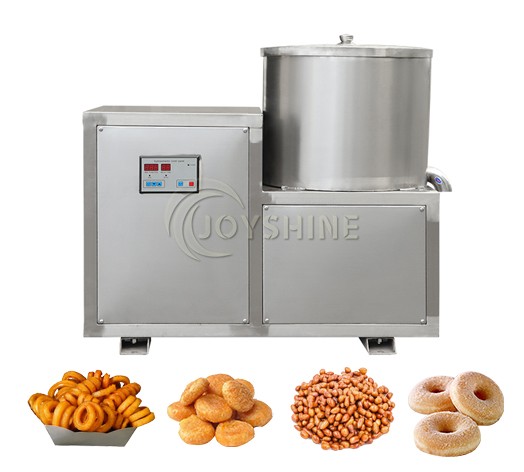
De-oiling treatment: Use an axial flow fan to remove excess fat in a short time to ensure product quality.
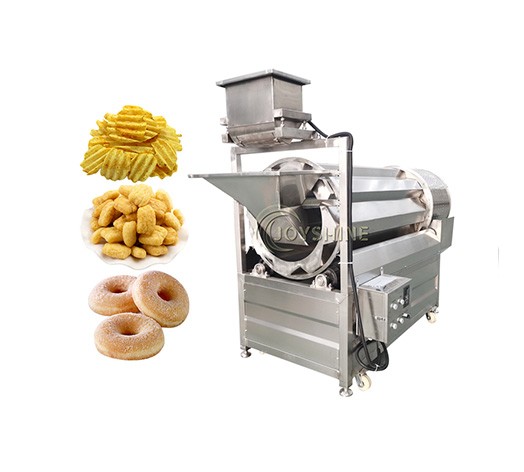
Seasoning: According to market requirements and customer tastes, carry out fine seasoning processing, including powder seasoning, liquid seasoning and coating.
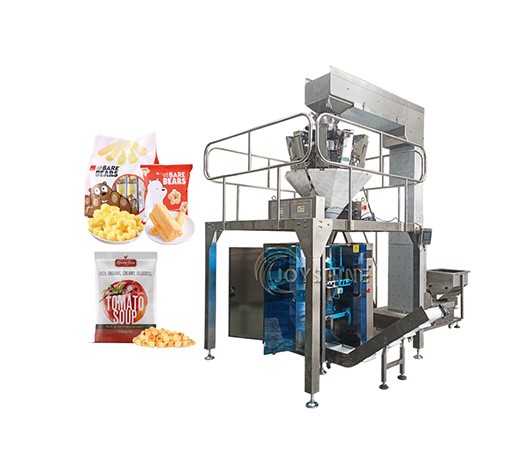
Packaging: The final step, automatic weighing and packaging according to market demand.
This production line design aims to provide efficient and customizable solutions that adapt to different customer needs and ensure high product quality, from raw materials to finished products.